Movement & Injury Prevention Tips
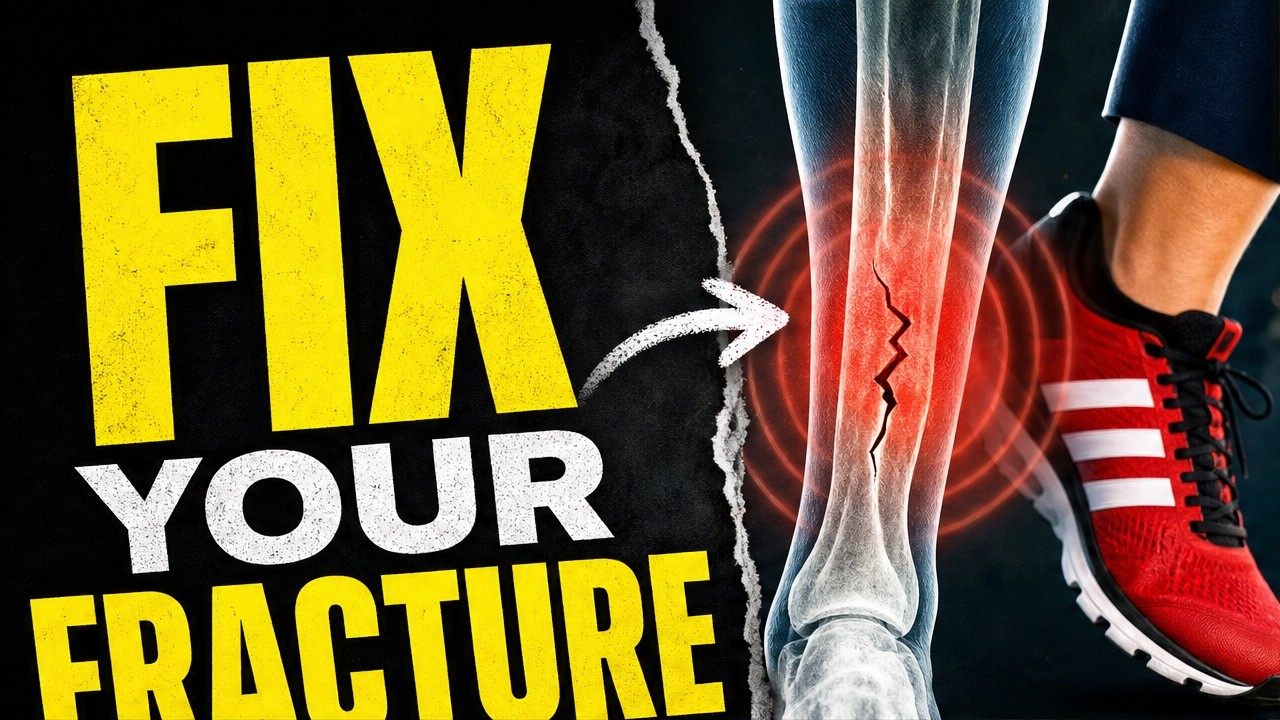
Stress Fracture Recovery: How Runners Come Back Stronger | Dr. Heather
A stress fracture diagnosis stops most runners cold. The bone needs to heal, that part isn't negotiable. But what happens during that recovery period, and how you return to running afterward, determines whether this is a one-time setback or the beginning of a recurring injury cycle.
The hard truth that most runners aren't told: the bone heals whether you address the cause or not. Rest alone will get you back on the road. But if you return to running with the same mechanics, the same training patterns, and the same bone loading patterns that caused the fracture, you are likely to develop another stress fracture in the same bone, or a different one.
The runners who come back from stress fractures and stay healthy are the ones who use the recovery period to address what actually caused the bone failure in the first place.
What Is a Stress Fracture?
A stress fracture is a small crack in a bone caused by repetitive mechanical loading that exceeds the bone's ability to remodel and repair itself. Unlike an acute fracture from a single trauma, stress fractures develop gradually building from a stress reaction (bone edema and micro-damage) to a frank fracture if loading continues.
The most common locations in runners:
Tibia (shinbone) — the most common stress fracture site in runners, occurring along the posterior cortex in the middle third
Metatarsals (foot bones) — especially the second and third metatarsals
Fibula — the outer lower leg bone
Navicular — a foot bone; one of the higher-risk fractures for delayed healing
Femur — thigh bone; femoral neck stress fractures are the most serious and require immediate evaluation
Location matters because it influences both the seriousness of the injury (some sites have poor blood supply and heal slowly) and the likely mechanical cause.
Why Stress Fractures Happen (The Root Causes)
Training Load Errors
The most common contributing factor is a sudden spike in training load. Too many miles too quickly, introduction of speed work or hill training without a build period, or rapid return from a period of reduced training.
Bone adapts to mechanical loading, but it adapts more slowly than cardiovascular fitness. You can feel aerobically capable of a mileage increase while your bones are still catching up. When load increases faster than bone can adapt, micro-damage accumulates faster than it's repaired, and a stress fracture results.
Movement Mechanics
This is the component most runners miss entirely. Two runners can follow identical training plans and one develops a stress fracture while the other doesn't. The difference is almost always in how they load the bone.
Overpronation causes the tibia to internally rotate, creating a twisting stress on the bone with every stride. This twisting pattern is one of the primary mechanical drivers of tibial stress fractures.
Hip abductor weakness allows the hip to drop during stance, which increases the bending moment on the tibia and femur increasing the stress that accumulates with each step.
Low cadence and overstriding increase peak impact forces at ground contact. Higher impact forces mean greater bone stress per stride.
Running symmetry deficits, where one leg absorbs significantly more load than the other concentrate bone stress asymmetrically, which is why stress fractures typically occur on only one side.
Nutritional and Hormonal Factors
Bone density and the ability to remodel under load depend on adequate nutrition — particularly calcium, vitamin D, and overall caloric sufficiency. Female runners are at higher risk for stress fractures related to the relative energy deficiency that can accompany high training loads and restricted eating (part of the Female Athlete Triad / RED-S spectrum).
If you've had multiple stress fractures, or a stress fracture at a low training load, nutrition and hormonal factors need to be evaluated not just mechanics.
The Recovery Phase: What You Should Be Doing
The acute phase of recovery (typically 6–8 weeks for most sites, longer for navicular and femoral neck) is non-negotiable: the bone needs protection from loading to heal. But "protecting the bone" doesn't mean lying on the couch.
Maintain fitness with non-impact activity. Pool running, cycling, and upper body strength work maintain cardiovascular fitness and muscle mass during the recovery period. Coming back to running with full fitness but repaired bone is a much better position than coming back deconditioned.
Address the mechanics. This is the most important use of your recovery time. A movement assessment during recovery when you're not in acute pain and have time to focus is the ideal opportunity to identify and begin correcting the patterns that caused the fracture.
Strength work. Hip stabilizer strengthening, foot and ankle work, and calf strengthening directly address the mechanical factors that loaded the bone incorrectly. Start these as soon as they can be performed without stressing the fracture site.
Nutrition review. Ensure you're meeting caloric needs and micronutrient requirements for bone healing. Vitamin D and calcium status specifically warrant review if you haven't had them checked.
Returning to Running: The Right Way
The return-to-running phase after a stress fracture should be gradual, monitored, and symptom-guided not calendar-based. Just because the imaging shows the fracture is healed doesn't mean the tissue is ready for full training loads.
A general framework:
Weeks 1–2 post-clearance: Walk-run intervals. Short durations. Zero pain during or after.
Weeks 3–4: Build running intervals toward continuous easy running. Monitor for any recurrence of symptoms — bone aching after a run is a warning sign, not just soreness.
Weeks 5–8: Gradual volume build at easy effort. No speed work or hills yet.
Weeks 9+: Introduce varied terrain and effort gradually, based on symptom response.
Throughout this return, the corrective work continues. Gait mechanics, cadence, hip drop, foot strike, are assessed and refined alongside the return to load.
Watch: Key Tips for a Successful Running Comeback After a Stress Fracture
This video covers the specific steps I guide runners through when returning from a stress fracture and the most common mistakes that lead to re-injury.
What You Can Do Right Now
Don't rush the healing phase. Returning to running before the fracture has healed, even partially, risks converting a stress fracture into a complete fracture, which is a much more serious injury. Be patient with the timeline.
Use the downtime wisely. Start hip strengthening, foot work, and cadence retraining now, before you return to running. Your return will be safer and your mechanics will be better.
Get your training log out. Look at the 4–6 weeks before your injury. Was there a sharp mileage increase? A new surface? A new shoe? Understanding the load trigger helps prevent it from happening again.
Consider a movement assessment. If you return to running without understanding what caused the fracture mechanically, the odds of recurrence are high. This is one of the highest-value things you can do during recovery.
The Bottom Line
Stress fractures heal. That part is almost guaranteed with proper rest and load protection. What isn't guaranteed without deliberate effort is that the mechanics driving the fracture will change.
Runners who use the recovery period to address training load management, movement mechanics, and bone health come back to running stronger, more efficient, and at dramatically lower risk of re-injury than those who simply wait for the bone to heal and pick up where they left off.
Recovering from a stress fracture and want to come back right? Book a free movement consultation — I'll help you identify what caused the fracture and build a return-to-running plan that addresses it properly.
Dr. Heather Gansel is a movement specialist and performance coach with 25+ years helping runners resolve chronic pain and injury by addressing root-cause movement imbalances. She works virtually with runners worldwide. Learn more.