Movement & Injury Prevention Tips
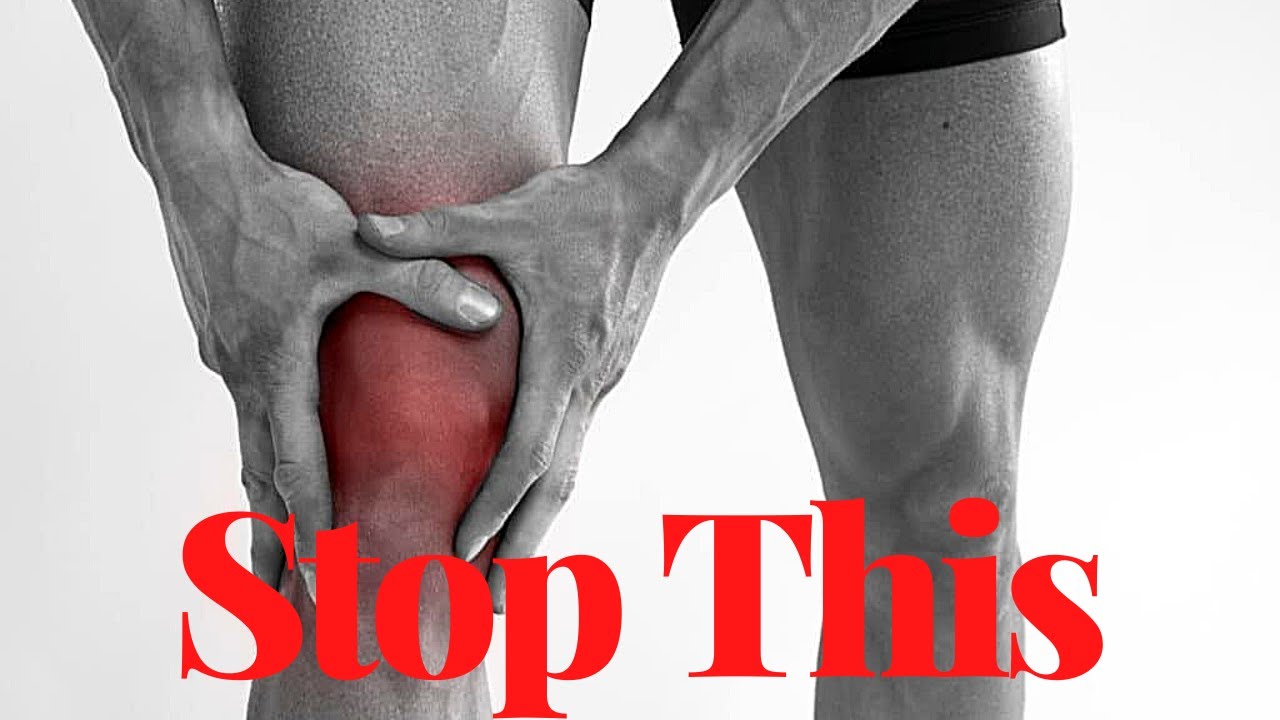
Jumper's Knee in Runners: Corrective Exercise That Actually Works | Dr. Heather
"Jumper's knee" is a somewhat misleading name. Yes, it's common in basketball players and volleyball athletes who do a lot of jumping. But it's also extremely common in runners, where the repetitive loading of the patellar tendon over hundreds of thousands of strides creates the same progressive breakdown.
If you've dealt with patellar tendonitis, that aching, sometimes sharp pain just below the kneecap you know how stubborn it can be. It responds to rest. It flares back up when you return to running. And the standard advice (stretch your quads, foam roll your quads, maybe try a patellar tendon strap) provides temporary relief but doesn't solve the underlying problem.
Here's what's actually driving patellar tendon overload in runners and the corrective approach that addresses it at the root.
What Is Patellar Tendonitis (Tendinopathy)?
The patellar tendon connects the kneecap (patella) to the tibia just below the knee. It's the extension of the quadriceps muscle group downward when your quads contract to extend the knee, the force is transmitted through the patellar tendon.
Like Achilles tendinopathy, chronic patellar tendon pain is more accurately called tendinopathy than tendinitis in most cases. It involves structural changes in the tendon tissue from repetitive loading that exceeds the tendon's capacity to recover not acute inflammation.
This distinction matters because tendinopathy requires progressive mechanical loading (specifically, heavy slow resistance and eccentric exercises) to stimulate tendon remodeling, not just rest and stretching. But as with Achilles tendinopathy, loading a tendon that's still being mechanically overloaded by poor movement patterns is fighting yourself.
Why Runners Get Patellar Tendinopathy
1. Quad Dominance: The Core Problem
The most common root cause I find in runners with patellar tendinopathy is quad dominance, over-reliance on the quadriceps for propulsion and shock absorption, combined with underuse of the glutes and hamstrings.
Here's the mechanics: during the loading phase of running, the quad should be working with the posterior chain (glutes and hamstrings) to decelerate the body and store elastic energy. When the posterior chain is underactive, the quad takes on the full braking load alone and the patellar tendon is the structure transmitting all of that force. Over time, this chronic overload of the tendon leads to breakdown.
Runners with weak or poorly activating glutes almost always have patellar tendon stress as a downstream consequence. Fix the posterior chain, and the tendon overload reduces significantly.
2. Increased Training Load (Too Much Too Soon)
Patellar tendinopathy is strongly associated with rapid increases in running volume, intensity, or surface hardness. The tendon adapts more slowly than the muscles around it so a fitness-based training load increase can easily outpace the tendon's capacity to handle it.
Downhill running is particularly stressful for the patellar tendon because it increases quad demand significantly. Runners who add significant downhill work to their training without a build period are at elevated risk.
3. Poor Hip Control and Knee Valgus
When the hip stabilizers (gluteus medius, hip external rotators) are weak, the femur internally rotates and adducts during the stance phase of running creating the inward knee cave called valgus collapse. This malalignment increases the tensile stress on the medial side of the patellar tendon with every step.
This is why patellar tendinopathy and patellofemoral pain (runner's knee) share so many risk factors they're often driven by the same upstream hip weakness.
4. Ankle Stiffness and Landing Mechanics
Restricted ankle dorsiflexion increases the load on the knee during impact. When the ankle can't absorb its share of the ground reaction force, the knee takes a larger proportion and the patellar tendon is the structure that bears the cost.
Runners who land with a stiff ankle (often related to previous ankle sprains, tight calves, or poor ankle mobility) are at increased risk for patellar tendon stress.
5. High Training Volume on Hard Surfaces
Concrete is approximately 10 times stiffer than asphalt, which is stiffer than trail surfaces. Runners who train primarily on concrete especially those who recently switched from softer surfaces are loading their patellar tendons with significantly higher impact forces per stride.
The Corrective Exercise Approach to Patellar Tendinopathy
Phase 1: Load management and pain reduction. Reduce the training load enough to bring symptoms below a manageable threshold. This doesn't mean complete rest. Isometric quad contractions (holding a wall sit or leg extension against resistance) have been shown to provide immediate pain relief in patellar tendinopathy and can be performed daily to maintain tendon stimulus without aggravating it.
Phase 2: Tendon loading. Heavy slow resistance (HSR) training is the gold standard for tendon remodeling. This involves exercises like Spanish squats, leg press, and single-leg squats performed slowly (3 seconds down, 3 seconds up) with significant load. The slow speed is key. It loads the tendon without the reactive energy that aggravates tendinopathy at this stage.
Phase 3: Posterior chain activation. Strengthening the glutes and hamstrings in running-relevant positions reduces the quad's compensatory overload. Hip hinges, Romanian deadlifts, single-leg deadlifts, and glute bridges all shift the load-sharing balance away from the quad and tendon.
Phase 4: Hip control and knee alignment. Addressing dynamic knee valgus through hip abductor strengthening reduces the rotational stress on the patellar tendon during running.
Phase 5: Gait and landing mechanics. Cadence adjustment, ankle mobility work, and landing pattern correction address the structural reasons the tendon is being loaded inefficiently. This is the phase that determines whether the problem returns.
Watch: Effective Exercises for Jumper's Knee
This video walks through the specific exercises I use and the sequencing that matters for resolving patellar tendinopathy in runners.
What You Can Do Right Now
Isometric wall sit. Hold a wall sit at roughly 60 degrees of knee flexion for 45 seconds. Do 4 repetitions. If this reduces your tendon pain afterward (which it often does), isometric loading is a useful short-term pain management tool while you work on the root causes.
Check your posterior chain activation. During a bodyweight squat, do you feel your glutes working? Or does it feel primarily like quad effort? If it's all quad, posterior chain underactivation is almost certainly contributing.
Assess your ankle mobility. Limited ankle dorsiflexion increases patellar tendon stress. See the dorsiflexion test described in my Achilles tendinopathy post — the two conditions share this risk factor.
Track load changes. Did your pain start within 2–4 weeks of a training change — more mileage, more hills, new shoes, different surface? Connecting the load change to the symptom onset helps clarify whether load management needs to come first.
The Bottom Line
Patellar tendinopathy in runners is almost always a story of a tendon doing more than its share because the rest of the system isn't contributing enough. Quad dominance, poor posterior chain activation, inadequate hip control, and landing mechanics all compound to create a tendon that's consistently loaded beyond its capacity.
The corrective approach doesn't just fix the tendon — it makes you a more mechanically efficient runner, which reduces injury risk across the board.
Patellar tendon pain that keeps coming back? Book a free movement consultation — I'll assess your quad/posterior chain balance, hip mechanics, and landing patterns to build a plan that resolves it properly.
Dr. Heather Gansel is a movement specialist and performance coach with 25+ years helping runners resolve chronic pain by identifying and correcting the root-cause movement imbalances behind their injuries. She works virtually with runners worldwide. Learn more.