Movement & Injury Prevention Tips
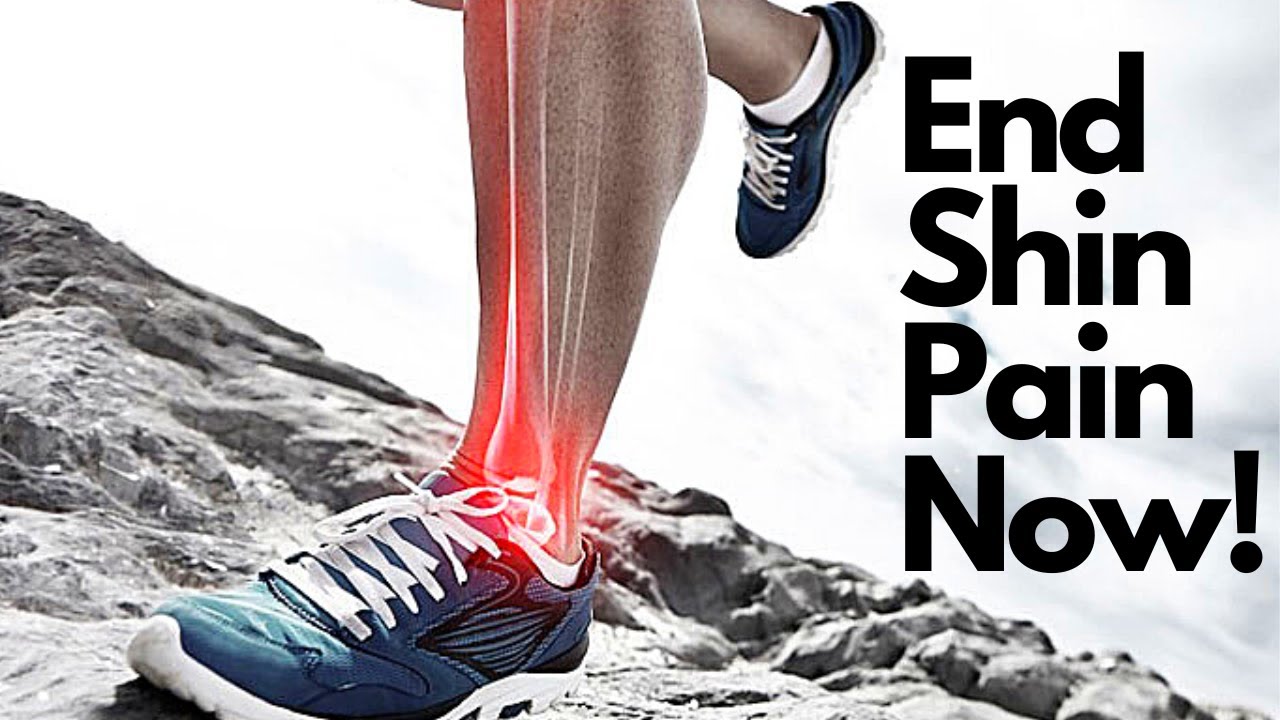
Shin Splints in Runners: Root Causes & Corrective Exercise | Dr. Heather
Shin Splints in Runners:
Why They Keep Coming Back (And How to Actually Fix Them)
If shin splints keep finding you no matter how much you rest, ice, or ease back into training you're not alone, and you're not doing anything wrong.
You're just treating the wrong thing.
Shin splints are one of the most common running injuries, and one of the most frustrating, because the standard advice almost always delivers the same result: the pain calms down during rest, comes roaring back when you run again, and over time the threshold for triggering it gets lower and lower. What used to take 10 miles now takes 3.
After working with runners for 25+ years, I can tell you this pattern is completely predictable because the advice doesn't address what's actually causing shin splints in the first place.
Here's the full picture.
What Are Shin Splints? (What's Actually Happening in the Tissue)
"Shin splints" is the common name for medial tibial stress syndrome (MTSS), pain along the inner edge of the shinbone (tibia) that develops gradually with running and typically worsens as a run continues.
The pain is coming from one of two places: inflammation where the muscles attach to the tibia, or stress in the tibial bone itself from repetitive loading. In more serious cases, shin splints can progress to a tibial stress fracture which is why chronic shin pain that isn't resolving needs to be taken seriously.
What causes this stress to build up? Almost always, it's a combination of training load factors and underlying movement imbalances and the movement piece is what keeps shin splints coming back even after the load factors are managed.
The Root Causes of Shin Splints in Runners
1. Overpronation and Collapse at the Foot
This is the most common movement factor I find in runners with recurrent shin splints. When the arch collapses excessively with each footfall, a pattern called overpronation (the tibia internally rotates to accommodate it). That rotation creates a twisting stress on the shinbone that compounds with every step.
Over a long run, this adds up to thousands of cycles of tibial stress. Calf stretching doesn't address it. Orthotics can reduce it — but they're a crutch, not a correction. The real fix is improving the foot and ankle mechanics that are causing the collapse in the first place.
2. Weak Hip Stabilizers (Again)
Here's something most runners are surprised to hear: your hip has a lot to do with your shin pain.
When the gluteus medius (the hip stabilizer muscle on the side of your hip) is weak or not firing correctly, the femur internally rotates during the stance phase of running. That rotation travels down the leg and amplifies the tibial rotation coming from the foot. The result is more tibial stress per stride and a faster path to shin pain.
Hip weakness and foot pronation often work together to create the perfect storm for shin splints. Address only one and you'll get partial relief at best.
3. Overstriding and High Impact Loading
Runners who land with their foot out in front of their body's center of mass, overstriding, create a braking force with each step that sends a jolt of impact up through the lower leg. The tibia absorbs a significant share of that force.
Landing more under your hips (which naturally happens when you increase your cadence) reduces ground impact forces and dramatically reduces tibial loading. This is one reason cadence training is one of the most evidence-supported strategies for shin splint prevention.
4. Rapid Increases in Training Load
This is the training factor most people understand: doing too much too soon. But what isn't always understood is why the same mileage increase injures some runners and not others.
The answer is movement mechanics. Runners with efficient mechanics and strong hip stabilizers can absorb higher loads without tissue breakdown. Runners with even moderate movement inefficiencies get injured at lower thresholds. So "training too fast" and "poor movement mechanics" aren't separate causes they interact. The same mileage increase that's fine for one runner will cause shin splints in another because of how that load is distributed through their body.
5. Calf and Soleus Tightness
The tibialis posterior muscle, one of the main muscles implicated in shin splints, runs behind the tibia and helps control foot pronation during landing. When the calf and soleus are tight and overloaded (which is common in runners who sit a lot), the tibialis posterior works harder to manage pronation, creating more stress at its tibial attachment.
Calf stretching helps here but the deeper issue is usually that the foot and hip mechanics are forcing the calf to overwork in the first place.
Why "Rest and Ease Back In" Fails
The standard shin splint protocol goes like this: rest until the pain goes away, then gradually increase mileage again. And it works temporarily. The tissue stress drops below the threshold that causes symptoms, and the pain disappears.
But nothing about your movement pattern changed. Your foot still pronates the same way. Your hip still drops on the same side. Your cadence is still low, your landing is still out in front of you. When you return to running, you return to the same mechanics, and the same stress builds in the same places.
The only difference is that now the tissue has been slightly weakened by repeated cycles of stress and incomplete recovery. Which is why shin splints tend to come back faster and easier each time you go through this cycle.
The Corrective Movement Approach to Shin Splints
When I work with a runner dealing with shin splints, here's what a real fix actually looks like:
Load management first. In the acute phase, reducing load is necessary not because rest heals shin splints, but because running on inflamed or stressed tibial tissue risks progressing to a stress fracture. Reducing load buys time to work on the movement side.
Foot and ankle mechanics. Foot intrinsic strengthening, single-leg balance, and calf eccentrics address the pronation and tibial rotation patterns that drive tibial stress. The goal isn't just stronger calves — it's a foot that lands and loads efficiently.
Hip stabilizer training. Strengthening the glute med and hip external rotators in running-relevant positions reduces the tibial rotation coming from above. This is non-negotiable in most shin splint cases.
Cadence retraining. Increasing cadence by 5–10% reduces tibial impact forces measurably. This is one of the fastest interventions to implement and one of the most effective.
Progressive return to running. Not just "ease back in" but a structured reintroduction that monitors for symptom recurrence and builds load only as mechanics improve.
Watch: How to Stop Shin Pain for Good
In this video I walk through the approach I use to permanently resolve shin splints including the specific movement factors most runners never address.
What You Can Start Doing Now
Check your pronation. Look at your running shoes. Is the inner edge of the sole significantly more worn than the outer edge? Does your arch collapse when you stand on one leg? These are signs overpronation is contributing.
Count your cadence. Use a running app or count your steps for 30 seconds and double it. If you're below 160 steps per minute, increasing cadence is likely to help.
Single-leg balance test. Stand on the foot that's been giving you shin trouble. Can you hold it steady for 30 seconds without wobbling, calf cramping, or your arch collapsing? If not, foot and ankle stability needs work.
Check your hip. Do a standing hip hike: stand on one leg and let the opposite hip drop, then drive it back up using only your stance-leg hip. If it's weak and shaky, hip stabilizer deficiency is almost certainly in the picture.
The Bottom Line
Shin splints are not a mystery. They're not bad luck, and they're not just "training too hard." They're the result of tibial stress that exceeds what the tissue can handle driven by foot mechanics, hip mechanics, gait patterns, and load that haven't been addressed at the root level.
The runners who fix their shin splints permanently are the ones who stop managing symptoms and start correcting the movement problems underneath.
Ready to stop the shin splint cycle for good? Book a free movement consultation — I'll identify exactly which movement factors are driving your shin pain and give you a clear, personalized plan to resolve it.
For a deeper look at how movement imbalances affect the whole body, you might also find my post on why hip pain when running keeps coming back useful — the root causes overlap more than most runners realize.
Dr. Heather Gansel is a movement specialist and performance coach with 25+ years helping runners resolve chronic pain by identifying and correcting the root-cause movement imbalances behind their injuries. She works virtually with runners worldwide. Learn more.