Movement & Injury Prevention Tips
Understanding and Treating Patellar Tendonitis: A Comprehensive Guide
Patellar Tendonitis: Understanding the Culprit Behind Your Knee Pain
Dealing with knee pain can be a frustrating and debilitating experience. Patellar tendonitis, also known as jumper's knee, is one possible cause of knee pain that many individuals face. In this blog post, we will delve into the topic of patellar tendonitis, its causes, symptoms, and treatment options. By understanding the anatomy involved and implementing the appropriate exercises and protocols, you can effectively manage this condition and find relief.

Battling Jumper's Knee: Unraveling the Mystery of Patellar Tendonitis
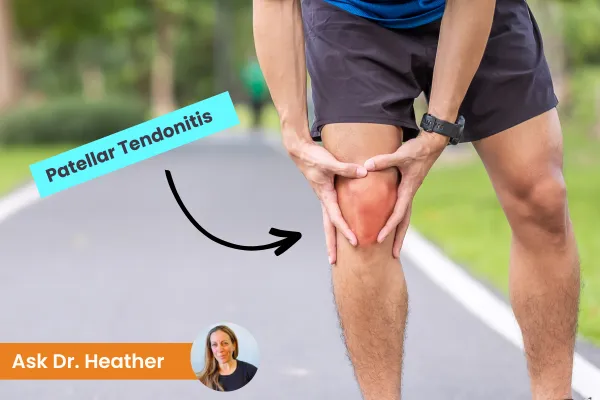
Anatomy and Symptoms: Patellar tendonitis primarily affects the patellar tendon, which connects the quadriceps muscles to the tibia. The condition is characterized by inflammation of the tendon, leading to pain and discomfort around the kneecap. It is often caused by repetitive stress or overuse across activities such as:
Jumping Sports: Activities that involve repetitive jumping, such as basketball, volleyball, and high-impact aerobics, can put significant strain on the patellar tendon.
Running and Jogging: Long-distance running, sprinting, and jogging on hard surfaces can lead to overuse and irritation of the patellar tendon.
Plyometric Exercises: Plyometric exercises, which involve explosive movements like box jumps, jump squats, and burpees, can place excessive stress on the patellar tendon.
Dancing: Dancers, especially those who perform frequent jumps, leaps, and landings, are at risk of developing a jumper's knee due to the repetitive impact on the knees.
Hiking and Stair Climbing: Activities that involve repeated uphill or downhill movements, such as hiking or climbing stairs, can strain the patellar tendon.
Cycling: Cyclists who frequently ride in a low, crouched position or engage in intense sprinting may experience strain on the patellar tendon.
Impact Sports: Sports that involve sudden stops, starts, and changes of direction, such as soccer, tennis, and skiing, can contribute to the development of a jumper's knee.
It's important to note that while these activities can increase the risk of developing patellar tendonitis, individual factors such as technique, conditioning, and predisposition to injury also play a role.

From Swelling to Healing: Mastering the R.I.C.E Protocol for Patellar Tendonitis
R.I.C.E Protocol To alleviate the symptoms of patellar tendonitis, it is crucial to follow the R.I.C.E protocol (Rest, Ice, Compression, Elevation) during the first 72 hours after the injury. Applying ice to the affected area and performing cross-friction massage can help reduce swelling and inflammation. Additionally, incorporating an ice cup massage can be beneficial in promoting recovery.
Once the initial inflammation has subsided, a series of exercises can be implemented to strengthen the muscles surrounding the knee and improve stability. These exercises target the rectus femoris muscle, as well as other muscles involved in patellar stability.
R.I.C.E: which stands for Rest, Ice, Compression, and Elevation, is an effective treatment for various types of injuries, including knee pain such as patellar tendonitis. Each component of R.I.C.E plays a specific role in promoting healing and reducing pain.
Rest and Recover: The Power of Rest in Healing Knee Pain
Resting the injured knee allows the body to initiate the healing process. By avoiding activities that aggravate the condition, the injured tissues can recover and repair themselves more effectively.
Ice it Right: How Ice Packs Soothe Knee Pain and Reduce Swelling:
Applying ice to the affected area helps reduce inflammation and swelling. Ice works by constricting blood vessels, which decreases blood flow and limits the buildup of fluid in the injured area. It also numbs the area, providing pain relief.
Compression Care: Support and Relief for Aching Knees
Compression involves applying gentle pressure to the injured knee using an elastic bandage or compression sleeve. Compression helps reduce swelling and provides support to the injured tissues, promoting stability and preventing further damage.
Elevate and Heal: The Key to Reducing Knee Swelling and Promoting Recovery
Elevating the injured knee above the heart level helps reduce swelling by facilitating the drainage of excess fluid from the injured area. It promotes better circulation and reduces the accumulation of fluid, thus aiding in the healing process.
When combined, the components of R.I.C.E work synergistically to address the immediate symptoms of knee pain, such as swelling, inflammation, and discomfort. By following the R.I.C.E protocol, individuals can manage their symptoms, promote healing, and prepare their knee for further rehabilitation exercises and treatments. It is important to note that while R.I.C.E can be beneficial for initial treatment, it should be followed by appropriate medical advice and care for more severe or persistent conditions.
Strengthening the Foundation: 5 Effective Exercises for Patellar Tendonitis Relief
Patella Stabilization Exercise: This exercise aims to stabilize the patella. By flexing the foot and engaging the rectus femoris muscle, you can create stability around the kneecap. Hold this position for about 30 seconds and then relax, repeating the process several times.
Quad Stretch: Stretching the quadriceps muscles is important to maintain flexibility. Using a band wrapped around the ankle, gently pull the leg toward the glute while keeping the knee aligned. Hold the stretch for about 30 seconds and repeat as needed.
Leg Extension: Seated leg extensions can help strengthen the quadriceps muscles. Start by lifting the lower leg while flexing the foot, engaging the quad muscles. This exercise can also be modified to a straight leg lift if necessary.
Hip Raises on the Toes: This exercise targets the hamstrings, glutes, and calves while reducing tension on the patellar tendon. Lie on your back with a foam roller placed between your knees. Lift your buttocks off the floor while maintaining a neutral position and engaging your core.
Wall Sit: For individuals with less knee pain, a wall sit exercise can be beneficial. With your back against a wall and knees at a 90-degree angle, squeeze the foam roller between your knees and lift your toes off the ground. This exercise engages the glutes, hamstrings, quads, and tibialis anterior.
Kick Knee Pain to the Curb: Conquering Patellar Tendonitis with Targeted Exercises
Patellar tendonitis can be a challenging condition to deal with, but with proper understanding and treatment, relief is attainable.
By following the R.I.C.E protocol during the initial stages of inflammation and incorporating specific exercises to strengthen the surrounding muscles, individuals can manage their symptoms and promote healing.
Remember to consult a healthcare professional for a proper diagnosis and personalized treatment plan. Discover more about our professional services here.
With dedication and consistency, you can overcome patellar tendonitis and return to an active, pain-free lifestyle.
If you would like more simple tips on how to live pain free today, subscribe to our free newsletter.