Movement & Injury Prevention Tips
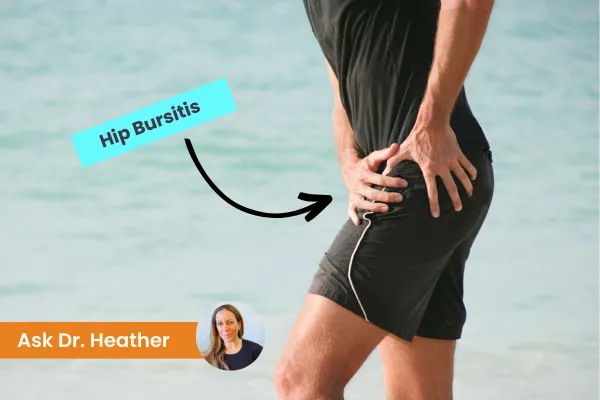
Recovering from Hip Bursitis: 7 Essential Exercises for Runners
As marathon season approaches, many runners are challenging themselves to achieve new milestones, such as completing their first marathon or half-marathon. The sense of accomplishment after crossing the finish line is unmatched. However, sometimes this elation can be overshadowed by hip pain that sets in post-race.
If you're experiencing hip pain and struggling to maintain your running routine, it's crucial to address the root problem. In this blog post, we will explore seven exercises that specifically target hip bursitis, a common ailment among runners.

"Hip Bursitis Relief: 7 Effective Exercises to Get You Back on Track"
ITB Stretch: The iliotibial band (ITB) can become tight and inflamed, contributing to hip bursitis. To stretch the ITB, stand near a doorway and cross one leg over the other. Push your hips towards the wall while keeping the back leg straight. Alternatively, lie on a bench with one leg extended beyond your body's side and gently drop it behind you. This modification helps stretch the ITB on the top leg.
Piriformis Stretch: The piriformis muscle, located deep within the buttocks, can irritate the hip bursa when tight. You can perform this stretch while seated or lying down. In a seated position, cross your right leg over the left and push the knee downwards, feeling the stretch in the right buttock. When lying down, cross your right leg over your left and gently pull your left thigh towards your chest.
Straight Leg Raises: Strengthening the quadriceps muscles can help stabilize the hip and alleviate hip bursitis. Lie on your back with one leg extended. Flex your foot and raise your leg to the height of the opposite calf, then lower it back down. Repeat this exercise for a count of 20, ensuring proper engagement of the quadriceps.
Abduction Leg Lifts: The abduction leg lift exercise targets the gluteus medius muscle, which provides stability to the hip joint. Lie on your side, with your bottom knee bent for support. Keep your body aligned and lift the top leg to a 45-degree angle. Lower it back down and repeat the motion for 20 repetitions.
Clam Shells: Clam shells effectively engage the gluteus medius muscle and help improve hip stability. Assume a tabletop position on all fours. From here, lift one leg out to the side, maintaining a controlled motion. You can perform this exercise with or without resistance bands. Start without resistance and gradually introduce a band around the thighs for added challenge.
Side Plank: Side planks engage the core, obliques, and the muscles surrounding the hip joint. Begin by lying on your side, propping yourself up on your forearm. Lift your body off the ground, creating a straight line from head to toe. For additional support, bend your bottom knee or place your hand on the floor. Hold the position for 30 seconds on each side.
Plank with Leg Lifts: The plank with leg lifts targets the glute muscles and helps build strength and stability in the hips. Assume a plank position, aligning your body in a straight line. Lift one leg off the ground while maintaining a stable core and squeezing the glute muscles. Repeat this exercise for 10 repetitions on each side.
Hip bursitis can be a setback for runners, but with the right exercises, you can overcome it and get back on track and avoid this from recurring. They say prevention is the best medicine and that’s why I’ve rounded up the top 10 steps you can take to prevent hip bursitis and reduce your risk of developing this condition.

10 Essential Tips to Prevent Hip Bursitis and Stay Pain-Free
Warm up and stretch: Prior to any physical activity or exercise, it's crucial to warm up your muscles and perform dynamic stretches to prepare your body. Focus on stretching the muscles around your hips, such as the hip flexors, hamstrings, and glutes.
Gradually increase intensity and duration: When starting a new exercise routine or increasing the intensity of your workouts, do so gradually. Sudden increases in intensity or duration can put excessive stress on your hip joints and bursae, increasing the risk of hip bursitis.
Maintain proper form and technique: Whether you're running, lifting weights, or participating in any other physical activity, make sure to maintain proper form and technique. Incorrect form can place unnecessary strain on your hips and lead to bursitis. Consider working with a coach or trainer to ensure you're using proper form.
Wear appropriate footwear: Choose footwear that provides adequate support and cushioning for your feet and hips. This is especially important for runners and individuals who engage in high-impact activities. Replace your shoes regularly to ensure they maintain their supportive properties.
Strengthen your hip muscles: Strong hip muscles help stabilize the joint and reduce the risk of bursitis. Include exercises that target the hip abductors, adductors, glutes, and hip flexors in your fitness routine. Strengthening these muscles can help prevent imbalances and excessive stress on the bursae.
Cross-train and vary your workouts: Avoid overloading your hips with repetitive movements by incorporating cross-training and varying your workouts. Engage in different activities that work different muscle groups and reduce the strain on your hips.
Listen to your body: Pay attention to any signs of pain, discomfort, or inflammation in your hips. If you experience persistent hip pain, it's important to rest and seek medical attention. Ignoring symptoms can lead to the development of hip bursitis or other more severe conditions.
Maintain a healthy weight: Excess weight can put additional stress on your hip joints and increase the risk of bursitis. Maintain a healthy weight through a balanced diet and regular exercise to reduce the strain on your hips.
Use proper equipment and protective gear: When engaging in activities that involve repetitive hip movements or potential impacts, ensure you use proper equipment and protective gear. For example, cyclists should ensure their bike is properly fitted, and individuals playing contact sports should wear appropriate padding and protective gear.
Take regular breaks and rest days: Allow your body time to recover and repair itself by incorporating regular rest days into your workout routine. Overtraining and not giving your body enough time to recover can lead to overuse injuries, including hip bursitis.
By following these preventive measures, you can significantly reduce your risk of developing hip bursitis and enjoy a pain-free and active lifestyle. Remember to always listen to your body, address any concerns promptly, and consult with a healthcare professional if you have persistent pain or discomfort.
In conclusion, hip bursitis can be a challenging condition for runners and athletes, causing discomfort and hindering performance. However, with the right approach and targeted exercises, it is possible to alleviate pain, promote healing, and prevent future episodes. Incorporating stretches like IT band stretches and piriformis stretches, along with strengthening exercises such as straight leg raises and clam shells, can provide relief and improve hip stability.
Additionally, practicing proper running form, gradually increasing mileage, and allowing for adequate rest and recovery are crucial in preventing hip bursitis. Remember, consulting with a healthcare professional is essential for an accurate diagnosis and tailored treatment plan.
By taking proactive steps and following these guidelines, you can overcome hip bursitis and get back to enjoying your running and athletic pursuits with confidence.
Want to become pain free in under 3 weeks? Schedule a call today.