Find Everything You
Need.





Let's Make Your Vision A
Reality
At Ask Dr. Heather, we specialize in customizable promotional items designed to elevate your brand's visibility. With a wide range of products tailored for effective marketing campaigns, we empower businesses to make a lasting impression on their audience.
Our mission is simple: to provide innovative marketing solutions that meet and exceed our clients' needs. From branded apparel to tech gadgets, we offer a diverse selection of practical and memorable promotional items for every occasion.
Your Customizable Marketing Merchandiser
Elevate Your Brand and Leave a Lasting Impression with Personalized Promotional Solutions Tailored to Your Business Needs. Stand Out in the Market, Engage Your Audience, and Drive Results with Customizable Merchandise from BrandBoost.
Shop By Categories
Discover the perfect promotional items to elevate your brand and leave a lasting impression with our Shop by Category section. Whether you're looking for branded apparel, tech gadgets, office essentials, or eco-friendly products, we have everything you need to make a statement in your marketing campaigns.


Frequently Asked Question
Welcome to our FAQs section, where we address common questions and provide helpful answers about our services as a marketing merchandiser specializing in customizable promotional items. Whether you're new to promotional merchandise or a seasoned marketer looking to enhance your brand's visibility, our FAQs are here to provide clarity and guidance.

Can I customize the promotional items with my company logo?
Yes, we offer customization options to showcase your brand identity.
What types of promotional items do you offer?
We provide a diverse range of customizable merchandise for marketing.
What is the minimum order quantity for personalized items?
Minimum order quantities vary depending on the selected product.
How long does it take to receive my customized items?
Production times vary but are typically within 7-10 business days.
Do you offer rush shipping options for urgent orders?
Yes, we offer expedited shipping options for time-sensitive orders.
See Our Latest Blogs
Stay up-to-date with our latest insights, tips, and trends by diving into our newest blogs. Whether you're seeking industry expertise, marketing strategies, or product inspiration, our blog section is your go-to resource for valuable content.
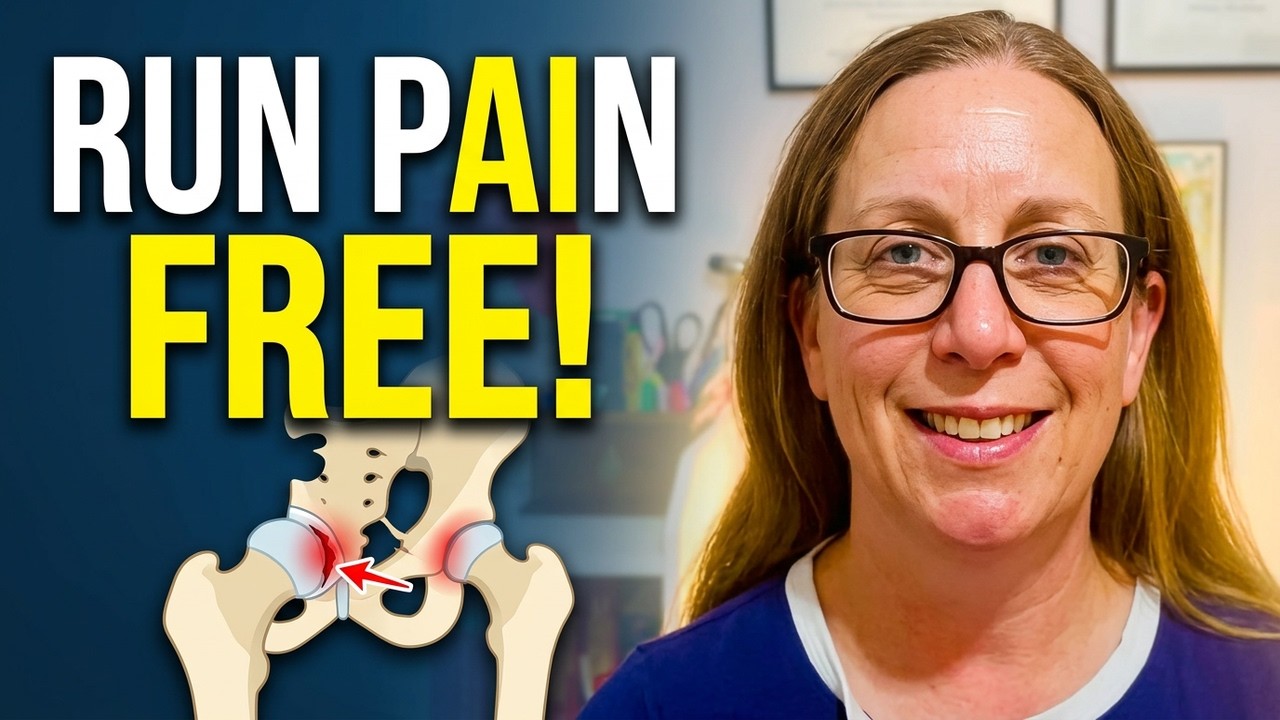
Hip Labrum Tear and Running: What to Do and Avoid | Dr. Heather
Getting told you have a hip labrum tear can feel like a death sentence for your running. The word "tear" sounds serious. Surgery gets mentioned. You start Googling and immediately find horror stories.
Here's what I want you to know before you spiral: many runners with hip labral tears continue training, stay active, and compete without surgery. The labrum is not always the reason you're in pain, and a tear on an MRI is not always a running-ending diagnosis.
What matters far more than the tear itself is why it happened. The movement patterns that created the excess stress in the first place and whether those patterns are being addressed. That's the piece most runners never get.
What Is the Hip Labrum?
The labrum is a ring of fibrocartilage that lines the rim of the hip socket (acetabulum). It deepens the socket, creates suction that holds the femoral head (the ball of the hip joint) securely in place, and helps distribute load evenly across the joint surface.
When the labrum tears, it can cause pain in the groin, front of the hip, or deep in the joint often described as a clicking, catching, or locking sensation. Pain can be sharp with certain movements (deep hip flexion, rotation, squatting) and a dull ache at rest or after long periods of sitting.
Labral tears are far more common than the general public realizes. Studies using MRI in asymptomatic populations have found labral abnormalities in a significant percentage of people with zero pain at all. The tear alone doesn't always cause symptoms, the loading environment around the tear does.
How Hip Labrum Tears Happen in Runners
Labral tears in runners are rarely the result of a single traumatic event. They're almost always the product of years of abnormal loading from movement imbalances that were never addressed.
The most common patterns I see:
Hip impingement (FAI — femoroacetabular impingement). FAI occurs when the ball and socket of the hip joint don't fit together cleanly, causing the femoral head to pinch the labrum with certain movements, particularly deep hip flexion and internal rotation. Running with FAI that goes unaddressed accelerates labral breakdown over time.
Anterior hip instability. When the hip stabilizers (glute med, deep external rotators) aren't doing their job, the femoral head translates slightly forward in the socket rather than staying centered. This anterior translation shears the front of the labrum, which is the most common tear location in runners.
Crossover gait and hip adduction. Runners who bring their feet across the midline with each step drive the femur into adduction and internal rotation. Two positions that increase labral stress. Over thousands of strides, this wears down the labrum at a predictable location.
Hip flexor tightness. Chronically tight hip flexors keep the hip in a slightly flexed position, which alters the mechanics of the joint and increases anterior labral stress.
Can You Keep Running With a Hip Labrum Tear?
The honest answer: it depends on the severity of the tear, your current symptoms, and most importantly whether the movement patterns driving the labral stress are being corrected.
Running with a labral tear and addressing only the symptoms (pain relief, rest, anti-inflammatories) while continuing the same movement patterns is a recipe for progressive damage. The labrum doesn't heal well because it has limited blood supply, so preventing further damage is the priority.
Running with a labral tear while actively correcting the mechanics that caused it is a completely different story. Many runners I work with maintain their training throughout the corrective process and avoid surgery entirely.
The key is knowing which movements and loads are safe versus which ones accelerate labral stress.
What to Avoid When Running With a Hip Labrum Tear
Deep hip flexion under load. Squats past 90 degrees, lunges with excessive forward knee travel, and any movement that takes the hip into end-range flexion while bearing weight increases labral compression.
Crossover gait. Running with feet crossing the midline is one of the worst patterns for a damaged labrum. Widen your step slightly so each foot lands under the hip, not across the midline.
Hip adduction and internal rotation. These are the positions that shear the anterior labrum. Any exercise or movement that drives the knee inward (knee cave during squats, step-ups with inward knee drift) should be modified or avoided.
Running through sharp, catching pain. Dull hip aching is often manageable with the right approach. Sharp, catching, or locking sensations mid-run are a sign of active mechanical impingement — this needs to be evaluated, not pushed through.
High-impact downhill running. Downhill running increases the compressive load on the hip joint significantly. Until hip stability is improved, minimize sustained downhill grades.
The Corrective Movement Approach
The goal of a corrective program for hip labrum tears is to restore the femoral head to a centered position in the socket and maintain it there through the full range of running motion.
This requires:
Hip stabilizer activation. The deep hip external rotators (piriformis, obturator internus, gemelli) and gluteus medius are the primary stabilizers that keep the femoral head centered. Strengthening these in positions that replicate single-leg loading is essential.
Reducing anterior hip dominance. Runners who rely heavily on their hip flexors for propulsion (instead of their glutes) create chronic anterior translation. Hip flexor flexibility work combined with glute activation retraining shifts this pattern.
Gait modification. Widening step width, reducing crossover, and correcting hip adduction during stance directly reduces labral stress during running.
Core and lumbopelvic control. A stable pelvis means the hip joint works from a stable platform. Deep core activation in running-relevant positions supports hip mechanics from above.
Watch: Tips to Continue Running With a Hip Labrum Tear
This video walks through what I look for in runners with labral tears and the specific adjustments that allow them to keep training safely while the hip stabilizes.
The Bottom Line
A hip labrum tear is a serious finding but it's not automatically a surgical finding, and it's not automatically a reason to stop running. What matters is understanding the movement environment that created the tear and changing it.
Runners who address the mechanics behind their labral tear often avoid surgery, maintain their training, and actually come out of the process running with better mechanics and less injury risk than before.
Dealing with hip pain and a labrum diagnosis? Book a free movement consultation — I'll assess your hip stability, gait mechanics, and loading patterns to develop a plan that keeps you running while protecting the hip.
You might also find my post on hip pain when running useful the movement patterns behind labral tears and general hip pain overlap significantly.
Dr. Heather Gansel is a movement specialist and performance coach with 25+ years helping runners resolve chronic pain by identifying and correcting the root-cause movement imbalances behind their injuries. She works virtually with runners worldwide. Learn more.


About Us
Brand your success with personalized promotional merchandise that captivates your audience.
Copyright© 2026 Ask Dr. Heather - All Rights Reserved.
Facebook
Instagram
Youtube